The glass sweats
Winter condensation and mold on windows
Updated 2026-09-28 · Plain expert · Written with Ava, the ClearNest guide
Winter condensation grows mold when warm, humid indoor air hits cold glass and the water sits. Wipe it, then lower indoor humidity toward 50 percent and move the air so the same sill does not stay wet. A little morning fog on a single-pane window can be normal. Beads that pool, or a dark line that returns, mean the room is too wet or the sash is failing.
You can't see most of it. A clean-looking home can still hide moisture behind the walls and in the ducts. The way through is a plan, not a scare.
January is when the house tells on itself
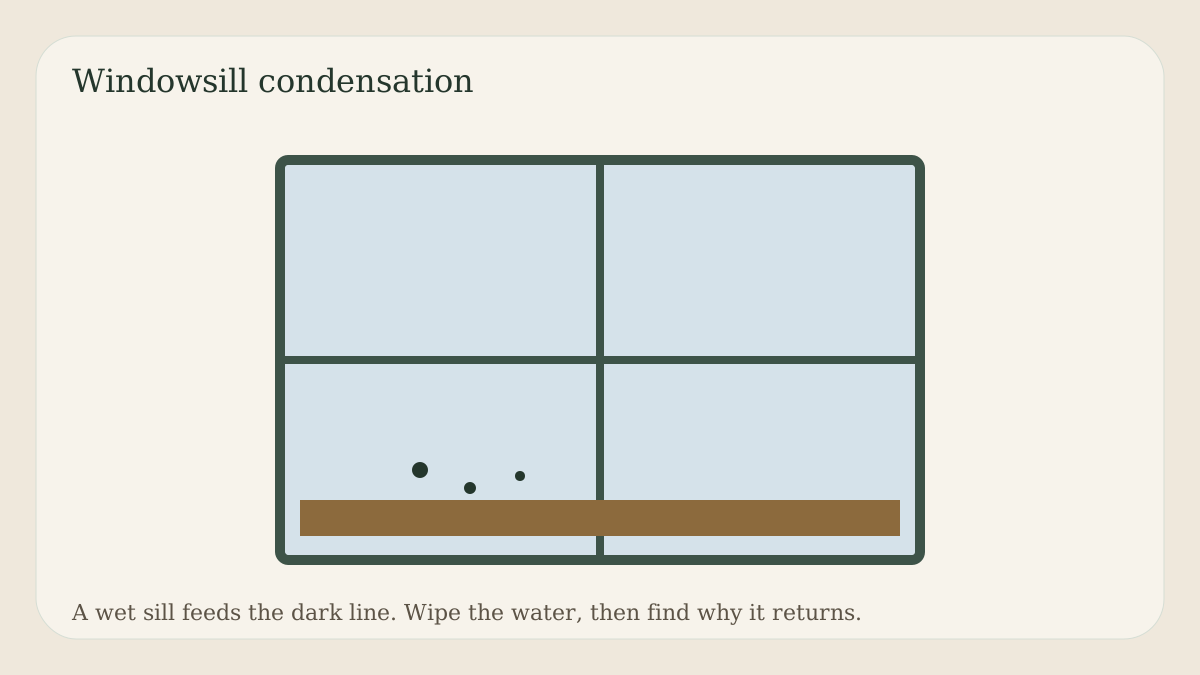
The heat runs. The showers run. The windows cry. By February there is a dark line in the corner of the sash and you are wiping it with your sleeve on the way to the coffee. Winter condensation and mold are the same water. Cold glass, humid air, time. You do not have to open every window and freeze the nursery to interrupt it. You do have to stop treating the wipe as the repair.
A brief haze on a very cold morning can happen on older glass even in a careful house. Water that pools in the track, or spots that return a week after a thorough clean, means the air is wet or the seal is done.
The sequence that survives February
Measure at night in the room with the worst glass. Over about 50 percent, you are feeding the sill. The EPA band stays below 60, ideally 30 to 50. Run bath and kitchen fans so the moisture leaves the house. Open the curtains so the glass can warm a little. Pull furniture off that wall. If a humidifier is on a schedule, turn it off until the glass stays clear. Storm windows and failed double-pane seals keep a pocket of cold; fog between panes is a failed unit, not a housekeeping miss.
Clean a small hard sill with soap and water once it is dry. Throw the cloth away. If the wood is soft, the paint is bubbling, or the growth is past a hand's width into the drywall, stop. That is more than condensation film. About 10 square feet, or a soft wall, is the professional line.
Humidity slider
Bedroom humidity on a January night
You are in the middle. ClearNest still wants the number under about 50%, and the EPA's wider band stays below 60%.
A clear sash is a winter you can stand
The assessment asks which rooms sweat because that answer changes the order of the steps. Unlock ClearNest for $99 for the humidity work, the fans, and Ava, so February is not another sleeve-wipe. The heat can stay on. The water on the glass does not have to.
If this is your house, the free 60-second check names the rooms. Ava turns what you can't see into an order you can finish. The protocol is $99 once the plan is on the screen.
You can't see it. You can still change it.
The air behind the walls has a protocol.
A clean-looking room can still feel wrong. The free check names your rooms and a plan. The protocol is the calm order after that.
Start free 60-second check- 14-day refund if it isn't useful for your home.
- Educational home guidance, not a diagnosis or a lab test.
- Answers stay on this device. Privacy
Already named your plan? Unlock the protocol
Common questions
Should I run a dehumidifier in winter?+
If the gauge is high and the glass is wet, yes, especially in a tight house or a damp basement that shares air. Empty it or hose it. Do not dry the house into the twenties for days if skin and noses are cracking. Aim near 50, not at a desert.
Are thermal curtains enough?+
They can warm a room and also keep the glass colder and wetter behind them. Open them during the day. They are not a moisture plan.
Does condensation mean I need new windows?+
Failed seals and rotten sashes, yes, plan for that. Clear glass that only hazes on the coldest morning may be fine once humidity is in range. Watch for a week after you dry the air before you price a whole-house replacement.
Keep reading
Educational home guidance, not a diagnosis or a lab test. ClearNest does not treat illness. Read the full disclaimer.
 Talk with Ava